How to Hold a Golf Club: Beginners to Improve Their Golf Swing
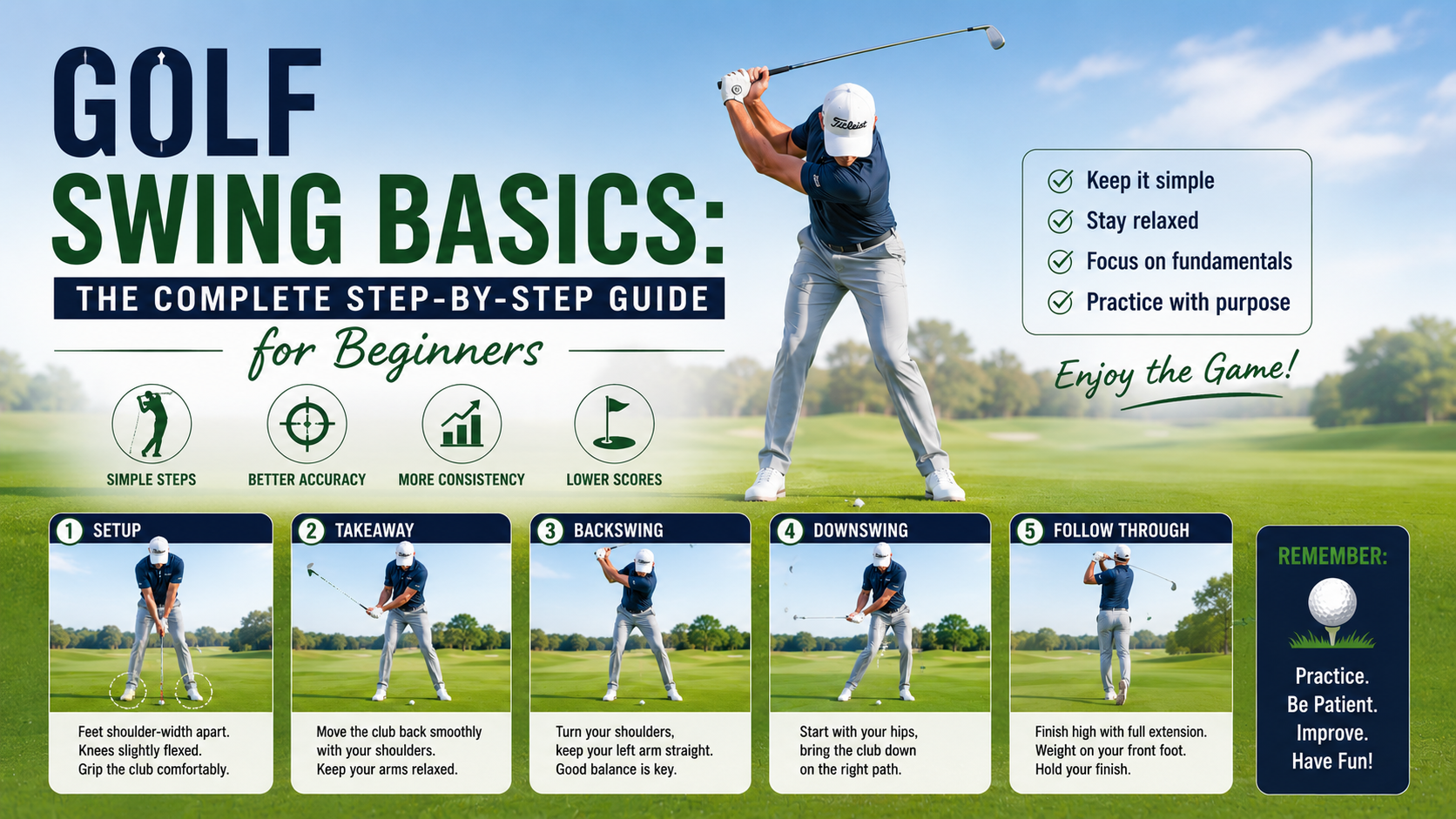
Learning how to hold a golf club correctly is one of the most important fundamentals every golfer needs to master. A proper golf grip creates the foundation for a consistent swing, better accuracy, and improved control over the clubface. Many beginners focus on improving their swing speed and power, but they often ignore the importance of holding the golf club correctly. The way you hold a golf club directly affects your shot direction, distance, comfort, and confidence on the course. An incorrect grip can create problems such as slices, hooks, poor ball contact, and inconsistent shots. However, when you learn the correct golf grip technique, your hands, wrists, and body can work together more naturally, helping you develop a smoother and more reliable swing.
At Golf Chilled, we believe that mastering the fundamentals is the first step toward becoming a better golfer. In this complete guide, you will learn how to hold a golf club, different golf grip styles, common mistakes, and expert tips to improve your overall golf performance.
Why Learning How to Hold a Golf Club Correctly Matters
Understanding how to hold a golf club properly is essential because your hands are the only connection between your body and the club. The grip controls how the clubface moves during your swing and influences the direction, speed, and accuracy of your shots. A correct golf grip helps you maintain better club control and allows your wrists to move naturally throughout the swing. It reduces unnecessary tension in your hands and arms, helping you create a smoother motion and more consistent ball striking. Many professional golfers spend years developing their grip because they understand that a strong foundation leads to better performance. Before improving your swing mechanics, learning the correct way to hold a golf club should always be the first priority.
Step-by-Step Guide on How to Hold a Golf Club
Position Your Lead Hand Correctly: For right-handed golfers, the lead hand is the left hand. Start by placing the golf club diagonally across your fingers instead of placing it deep inside your palm. The grip should run from the bottom area of your little finger toward the middle section of your index finger.Once the club is positioned correctly, gently close your fingers around the grip. Your thumb should rest slightly on the right side of the shaft, creating a comfortable and balanced hand position.For left-handed golfers, the same technique applies by reversing the hand positions.
Place Your Trail Hand Properly
Place Your Trail Hand Properly: After positioning your lead hand, place your trail hand on the club to complete your golf grip. For right-handed players, the trail hand is the right hand. Place your right palm over your left thumb and wrap your fingers naturally around the grip. Your hands should connect together without creating excessive pressure. A proper connection between both hands allows them to work as one unit during the swing, improving stability and control.
Maintain the Correct Golf Grip Pressure
One of the most common mistakes beginners make is holding the golf club too tightly. Excessive grip pressure creates tension in your arms and shoulders, making it difficult to achieve a smooth swing. A proper golf grip should feel secure but relaxed. You should hold the club firmly enough to maintain control but avoid squeezing it with unnecessary force. Relaxed hands improve wrist movement, increase swing speed, and help create better contact between the clubface and the golf ball.
Different Types of Golf Grip Styles
There are several golf grip styles that players use depending on their hand size, comfort level, and playing experience.
Overlapping Grip: The overlapping grip, also known as the Vardon grip, is one of the most popular golf grip techniques used by professional players. In this style, the little finger of the trail hand rests between the index and middle fingers of the lead hand. This grip provides excellent control and is commonly preferred by intermediate and advanced golfers who want a balanced combination of comfort and stability.
Interlocking Grip: The interlocking grip connects the little finger of the trail hand with the index finger of the lead hand. This creates a stronger connection between both hands. Many beginners and golfers with smaller hands prefer this grip because it provides better control and helps both hands work together during the swing.
Ten-Finger Grip: The ten-finger grip, also called the baseball grip, allows all ten fingers to touch the golf club. This is a simple and comfortable grip style that is often recommended for beginners, juniors, and players who prefer a natural feeling hold.
Common Mistakes When Holding a Golf Club
Many golfers struggle with inconsistent shots because of incorrect grip habits. One common mistake is holding the club too much in the palm instead of the fingers. This reduces wrist movement and can make the swing feel restricted. Another mistake is applying too much pressure while holding the club. A tight grip creates unnecessary tension and prevents a smooth release of the club through impact. Some golfers also fail to maintain the same grip position throughout their swing, which can affect clubface control and shot accuracy. Practicing the correct grip regularly can help eliminate these problems.
How to Check Your Golf Grip Position
You can check whether you are holding your golf club correctly by focusing on a few important points. Make sure the club rests mainly in your fingers rather than your palm. Your hands should stay connected, your grip pressure should remain relaxed, and your wrists should be able to move naturally. Practicing these positions regularly will help create muscle memory and make the correct grip feel automatic during your golf game.